



Flu Prevention for Seniors: What Families and Caregivers Should Know
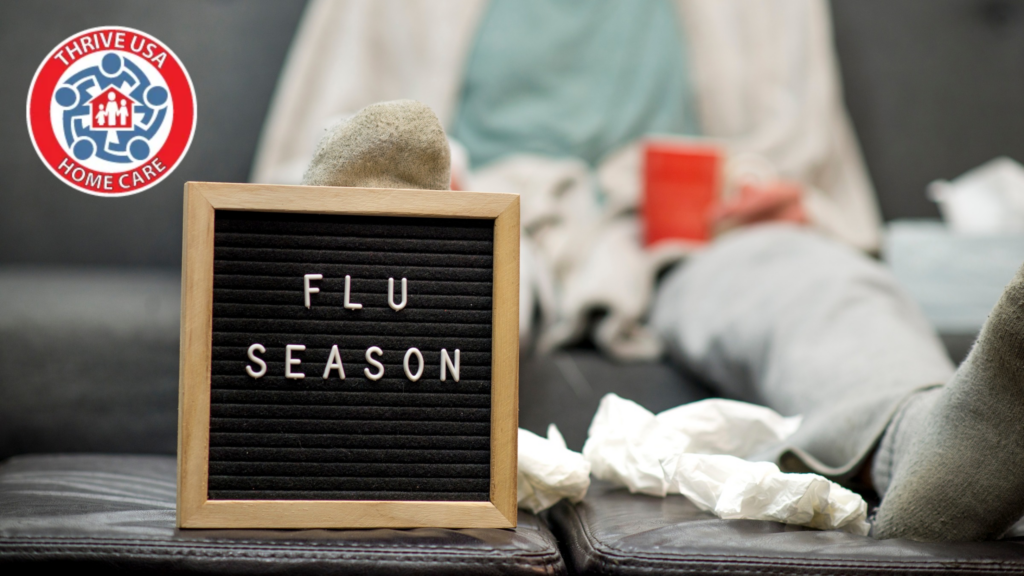
Fall brings cooler weather, changing routines, and the start of another flu season. For older adults and the people who care for them, flu prevention for seniors is an important part of staying healthy throughout the fall and winter.
The flu can affect anyone, but adults age 65 and older are at higher risk of developing serious complications. That makes prevention especially important for seniors, their families, and caregivers.
The good news is that prevention does not have to be complicated. A few practical habits can help reduce exposure and support a healthier season.
For current recommendations, families can visit the CDC’s 2026–2027 flu season information.
Why Flu Prevention Matters for Seniors
As people age, their immune response can change. This can make older adults more vulnerable to serious complications from influenza.
According to the CDC, adults 65 and older are among the groups at higher risk for serious flu complications.
For families, this means flu prevention is about more than avoiding a few uncomfortable days. It is about taking reasonable steps to reduce the risk of serious illness.
Get the Seasonal Flu Vaccine
One of the most important steps seniors can take is getting their seasonal flu vaccine.
The CDC recommends annual flu vaccination for everyone age 6 months and older who does not have a contraindication. For most people, September and October are generally good times to receive the vaccine.
Adults 65 and older have several flu vaccine options that the CDC preferentially recommends over standard-dose, unadjuvanted vaccines. Seniors should talk with their health care provider about which vaccine is appropriate for them.
If you are unsure which vaccine is right for you, your doctor or pharmacist can help you make an informed decision.
Encourage Good Hand Hygiene
Simple habits can help reduce the spread of respiratory illnesses.
Seniors and caregivers should wash their hands regularly with soap and water, especially after being in public places and before eating.
When soap and water are not available, an alcohol-based hand sanitizer can be useful.
Caregivers should also wash their hands before and after providing personal assistance to a client.
Keep Frequently Touched Surfaces Clean
Some areas of the home are touched many times throughout the day.
These can include:
- Door handles
- Light switches
- Remote controls
- Phones
- Countertops
- Faucets
- Handrails
Regular cleaning can help maintain a healthier home environment.
Families do not need to turn the house into a medical facility. Consistent, ordinary cleaning and good hygiene habits can go a long way.
Pay Attention to How You Feel
Caregivers and family members should pay attention when a senior begins feeling unwell.
Flu symptoms can include fever, cough, sore throat, runny or stuffy nose, muscle or body aches, headaches, and fatigue. Some people with flu may not have a fever.
If a senior develops symptoms, families should contact their health care provider for guidance, particularly when the person is at higher risk for complications.
The CDC notes that prescription antiviral medications can treat flu illness and are especially important for people at higher risk of serious complications. They work best when started as soon as possible after symptoms begin.
Be Thoughtful About Sick Visitors
Families and caregivers should take reasonable precautions when someone in the household is sick.
If possible, people who are experiencing respiratory illness should avoid close contact with seniors until they are feeling better and follow current public health guidance.
This can be especially important for older adults who have other health conditions that increase their risk of complications.
Sometimes prevention simply means postponing a visit, making a phone call instead, or asking another healthy family member to help.
Caregivers Can Help Maintain Healthy Routines
For seniors receiving home care, maintaining everyday routines can be helpful during flu season.
A Personal Care Coach may assist with everyday tasks such as:
- Preparing meals
- Grocery shopping
- Transportation
- Household routines
- Personal care
- Companionship
- Medication reminders
Thrive USA’s Companion Care services can help seniors maintain daily routines while receiving support in the comfort of home.
Keep Important Information Organized
Flu season is also a good time to make sure important health information is easy to find.
Families can keep an updated list of:
- Current medications
- Allergies
- Health conditions
- Doctors and specialists
- Pharmacy information
- Emergency contacts
- Insurance information
Having this information organized can make it easier to communicate with a health care provider if the senior becomes sick.
Don’t Forget About the People Around the Senior
Protecting an older adult is not only about what the senior does.
Family members, caregivers, and other people who regularly spend time with the senior can also take steps to reduce the spread of illness.
The CDC specifically notes that vaccination is important for people who live with or care for those at higher risk for serious flu illness.
That makes prevention a shared responsibility.
When everyone in the senior’s support system takes reasonable precautions, it can create a healthier environment for everyone.
When Should a Senior Contact a Doctor?
If an older adult develops flu symptoms, contact their health care provider for advice about what to do next.
Some symptoms require urgent medical attention.
The CDC recommends seeking emergency medical care for warning signs such as difficulty breathing, persistent chest or abdominal pain, confusion, severe weakness, seizures, or symptoms that improve and then become worse.
When in doubt, it is better to speak with a qualified health care professional rather than trying to determine the seriousness of an illness on your own.
How Thrive USA Supports Seniors During Flu Season
Flu prevention starts with healthy habits, but seniors may also need help maintaining their everyday routines.
Thrive USA Home Care provides personalized home care services that can help seniors with personal care, companionship, transportation, meal preparation, and other daily needs.
Our Personal Care Coaches work with clients and families to provide support based on individual needs and goals.
For seniors who need additional assistance during flu season or throughout the year, having dependable support at home can make everyday life easier.
A Healthier Fall Starts With Preparation
Flu season does not need to be stressful.
Seniors and their families can take simple steps such as staying up to date with recommended vaccinations, practicing good hand hygiene, keeping the home clean, and paying attention to symptoms.
Most importantly, seniors and caregivers should know when to reach out to a health care professional.
A little preparation can help families enter the season with greater confidence and focus on what matters most: keeping their loved ones safe, healthy, and supported at home.
Frequently Asked Questions
Annual flu vaccination is an important step. Good hand hygiene, avoiding close contact with people who are sick, and maintaining healthy routines can also help reduce the risk of illness.
For most people, September and October are generally good times to receive a seasonal flu vaccine. Vaccination should continue after October as long as flu viruses are circulating and vaccine is available.
Yes. Adults 65 and older are among the groups at higher risk for serious flu complications.
Contact the senior’s health care provider for guidance. Because older adults are at higher risk for complications, prompt medical advice can be important. Prescription antiviral medications may be recommended for some people and work best when started early.
Yes. Non-medical home care can help seniors maintain daily routines through services such as personal care, meal preparation, transportation, companionship, and household assistance.