




Hearing Loss in Seniors: Signs Families Should Know and How Caregivers Can Help
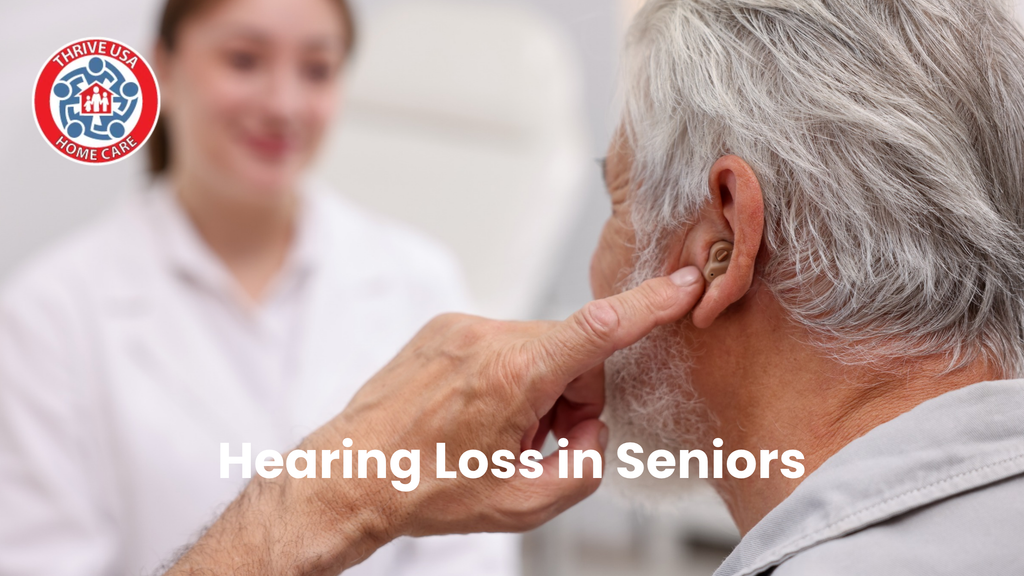
Hearing loss in seniors can develop gradually, making it easy for families to overlook the early signs. Someone may begin turning up the television, asking people to repeat themselves, or avoiding conversations without realizing that their hearing has changed.
Hearing loss is common as people age. According to the National Institute on Deafness and Other Communication Disorders (NIDCD), about one in three people in the United States between ages 65 and 74 has hearing loss, and nearly half of people older than 75 have difficulty hearing.
Recognizing possible changes in hearing can help families encourage a loved one to seek appropriate professional guidance while also making everyday communication easier.
What Is Age-Related Hearing Loss?
Age-related hearing loss, also called presbycusis, is hearing loss that gradually occurs as people grow older.
Because it can develop slowly, a person may not immediately realize that they are having more difficulty hearing. Family members may notice changes first.
Hearing difficulties can make it harder to follow conversations, hear phones and doorbells, respond to warnings, or enjoy conversations with family and friends.
Signs of Hearing Loss in Seniors
There are several signs that may indicate a senior is having difficulty hearing.
You may notice that your loved one:
- Frequently asks people to repeat themselves
- Asks others to speak more slowly or clearly
- Turns up the television or radio
- Has difficulty following conversations in restaurants or other noisy places
- Has trouble understanding people on the phone
- Says that people are mumbling
- Seems frustrated during conversations
- Avoids group conversations or social situations
- Has difficulty hearing certain sounds
These are not a diagnosis of hearing loss. However, they can be good reasons to encourage a conversation with a health care professional or hearing specialist. The CDC and NIDCD both recommend paying attention to signs of hearing difficulty and getting hearing tested when appropriate.
Why Can Hearing Loss Affect Daily Life?
Hearing is an important part of everyday communication.
When someone has difficulty hearing, ordinary activities can become more challenging. Conversations with family may require more effort. Following a doctor’s instructions may become harder. Important sounds such as phones, doorbells, and alarms may also be more difficult to hear.
Hearing difficulties can also affect social connection.
A senior who repeatedly struggles to follow conversations may become frustrated or begin avoiding situations where communication feels difficult.
That is why supporting clear communication can be an important part of helping a loved one remain connected.
How Families Can Make Communication Easier
Small changes can make conversations easier for someone experiencing hearing difficulties.
NIDCD recommends several practical strategies, including facing the person while speaking, reducing background noise, speaking clearly without shouting, and asking the person what communication approach works best for them.
Families can try:
- Turning down the television during conversations
- Choosing quieter places to talk
- Facing the person directly
- Speaking clearly and at a comfortable volume
- Giving the person time to respond
- Asking them to let you know if they did not hear something
- Using written information when helpful
The goal is not to make the person feel singled out. It is to make communication easier and more comfortable for everyone.
Don’t Shout
When someone has trouble hearing, the instinct may be to speak much louder.
However, NIDCD recommends speaking louder when needed without shouting. Speaking clearly and facing the person can be more helpful than simply raising your voice.
If a conversation is still difficult, try moving somewhere quieter or using another way to communicate.
Encourage a Hearing Check
If you or your family notice signs of hearing difficulty, encourage your loved one to discuss them with a health care professional.
A hearing evaluation can help determine whether hearing loss is present and what options may be appropriate.
NIDCD provides information about adult hearing health care, hearing tests, hearing aids, assistive devices, and other available options.
A hearing test can also help identify changes that may otherwise go unnoticed.
What About Hearing Aids?
Hearing aids are one option that may help some adults with hearing loss.
NIDCD explains that hearing aids and other assistive technologies may improve communication for people with hearing difficulties. The appropriate option depends on the individual’s hearing needs and should be discussed with a qualified hearing professional.
Families should avoid assuming that one solution will work for everyone.
Instead, encourage your loved one to discuss their hearing concerns with an appropriate professional.
How Caregivers Can Support Someone With Hearing Loss
Caregivers do not diagnose or treat hearing loss, but they can help make everyday communication easier.
For example, a caregiver can:
- Reduce unnecessary background noise
- Face the client while speaking
- Make sure important information is communicated clearly
- Allow extra time for conversations
- Help maintain social routines
- Accompany a client when appropriate
- Help communicate concerns to family members
Thrive USA’s Personal Care Coaches provide personalized support based on each client’s needs and goals. Thrive USA’s services can include companionship, personal care, meal preparation, housekeeping, transportation, medication reminders, and assistance with activities of daily living.
Hearing Loss and Social Connection
Communication is an important part of staying connected.
When hearing becomes difficult, conversations can require more effort. A senior may feel frustrated in group settings or find it harder to participate in everyday conversations.
Companionship can help provide regular opportunities for conversation and social interaction.
Thrive USA’s Companion Care services include conversation and companionship along with practical support such as meal preparation, grocery shopping, housekeeping, errands, and transportation.
How Thrive USA Supports Seniors at Home
Thrive USA Home Care provides personalized in-home support designed around each client’s individual needs and goals.
Our Personal Care services can assist with activities such as bathing, grooming, feeding, mobility, toileting, and other activities of daily living.
Our Companion Care services provide companionship and assistance with everyday activities.
For seniors experiencing hearing difficulties, the goal is not to treat the hearing loss. Instead, a Personal Care Coach can provide supportive care while helping the client maintain daily routines, communication, and connection with the people around them.
You can explore all of our Home Care Services to learn more.
When Should Families Seek Professional Help?
If a senior is having increasing difficulty hearing, encourage them to speak with a health care professional or hearing specialist.
Families should also pay attention to sudden or rapidly changing hearing problems and seek appropriate medical advice rather than assuming the change is simply part of aging.
Hearing loss can have many possible causes, and a qualified professional can help determine the appropriate next step.
Helping a Loved One Hear and Stay Connected
Hearing loss can affect more than someone’s ability to hear a conversation. It can influence how easily they communicate, participate in social activities, and stay connected with the people around them.
Families and caregivers can make communication easier by reducing background noise, speaking clearly, facing the person, and encouraging professional evaluation when hearing difficulties appear.
With the right support and understanding, seniors can continue participating in the conversations, routines, and relationships that matter to them.
Frequently Asked Questions
Common signs include asking people to repeat themselves, turning up the television, difficulty understanding conversations in noisy places, trouble hearing on the phone, and frustration during conversations.
Speak clearly and at a comfortable volume. NIDCD recommends speaking louder when needed but not shouting. Facing the person and reducing background noise can also make communication easier.
Yes. Difficulty hearing can make conversations with family and friends more challenging and may contribute to feelings of isolation.
If a senior is experiencing difficulty hearing, talking with a health care professional or hearing specialist can help determine whether a hearing evaluation is appropriate.
Home care does not treat hearing loss, but caregivers can support everyday routines and communication. Thrive USA Personal Care Coaches provide personalized assistance based on each client’s needs and goals.