



Emergency Preparedness for Seniors and Veterans Receiving Home Care
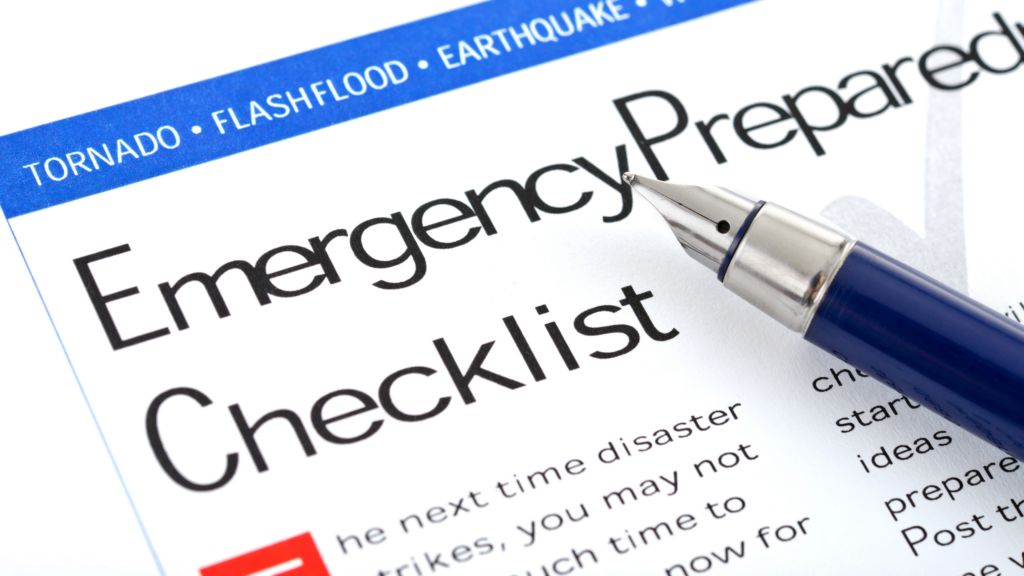
Emergency preparedness for seniors is an important part of creating a safe home environment, especially for older adults and Veterans who receive home care services.
Emergencies can happen without warning. Severe weather, power outages, medical situations, and other unexpected events can create additional challenges for seniors who may need assistance with daily activities.
A thoughtful emergency plan can help seniors, Veterans, caregivers, and families feel more confident and prepared when unexpected situations occur.
Why Emergency Preparedness Matters for Seniors and Veterans
Many seniors choose to remain at home because it provides comfort, familiarity, and independence.
However, aging at home may require additional planning. Some older adults may have mobility limitations, medical equipment needs, medication schedules, or health conditions that require special consideration during an emergency.
Veterans may also have unique needs based on their service history, health conditions, or access to VA resources.
The goal of emergency preparedness is not to create fear. Instead, it helps families create a plan so everyone knows what to do when challenges arise.
What Should Be Included in a Senior Emergency Plan?
A good emergency plan should be simple, realistic, and easy to follow.
Families and caregivers should consider including:
- Emergency contact information
- Medical information and medication lists
- Important documents
- Transportation plans
- Evacuation plans
- Backup power considerations
- Communication plans
- Emergency supplies
The Ready.gov emergency preparedness guide recommends that older adults consider their specific needs when creating an emergency plan, including medications, mobility limitations, medical devices, and support networks.
Create an Emergency Contact List
During an emergency, having important information available quickly can make a major difference.
A senior’s emergency contact list should include:
- Family members
- Friends or neighbors
- Primary care providers
- Specialists
- Pharmacy information
- Insurance information
- Emergency contacts
- Caregivers or home care providers
Keep a printed copy somewhere easy to access. It can also be helpful to store a digital copy in a secure location.
For seniors receiving home care, caregivers should know where this information is located and how to access it.
Keep Medication and Health Information Updated
Many seniors rely on daily medications or medical treatments.
An emergency plan should include:
- Current medication list
- Dosages and schedules
- Allergies
- Medical conditions
- Doctor contact information
- Pharmacy information
Families should review this information regularly and update it when medications or health conditions change.
For Veterans, the VA Health Record and VA health care team can help Veterans access important medical information.
Plan for Medical Equipment and Mobility Needs
Emergency planning looks different for everyone.
A senior who uses mobility equipment, oxygen, hearing devices, or other medical equipment may need additional preparation.
Consider:
- How equipment will receive power during an outage
- How transportation will be arranged
- Whether extra supplies are needed
- Who can provide assistance if regular routines are interrupted
Caregivers and family members should understand these needs before an emergency occurs.
Build an Emergency Supply Kit
Every household should have basic emergency supplies available.
For seniors and Veterans receiving home care, a kit may include:
- Water
- Nonperishable food
- Flashlights
- Batteries
- First aid supplies
- Extra medication when possible
- Phone chargers or backup batteries
- Important documents
- Personal hygiene items
- Mobility or medical supplies
The Federal Emergency Management Agency (FEMA) recommends building emergency kits based on the individual needs of each household member.
Have a Communication Plan
During emergencies, communication can become difficult.
Phone service may be interrupted, family members may be separated, or transportation may be limited.
A communication plan should answer:
- Who will check on the senior?
- Who should be contacted first?
- Where will family members meet?
- What happens if someone cannot reach the primary caregiver?
For seniors who live alone, having regular check-ins can provide an added layer of safety.
How Caregivers Can Help With Emergency Planning
Caregivers play an important role in helping seniors prepare.
A Care Coach or family caregiver may help by:
- Reviewing emergency contacts
- Organizing medications
- Identifying safety concerns in the home
- Practicing emergency plans
- Helping maintain supplies
- Communicating with family members
Preparation is especially important for seniors who rely on assistance with daily activities.
Thrive USA Home Care supports Veterans and seniors by helping with everyday needs through home care servicesdesigned around safety, independence, and quality of life.
Emergency Preparedness for Veterans
Veterans may have additional resources available through the Department of Veterans Affairs.
The VA provides emergency planning information and encourages Veterans to prepare for emergencies before they happen.
Veterans can explore VA emergency preparedness resources for information about planning, communication, and available support.
Veterans and families can also visit Thrive USA’s Veteran Resources page to learn more about VA programs and benefits.
Preparing for Severe Weather
Severe weather is one of the most common emergencies families prepare for.
Depending on where someone lives, planning may include preparing for:
- Hurricanes
- Flooding
- Extreme heat
- Winter storms
- Tornadoes
- Power outages
Seniors should consider how weather events may affect transportation, medication access, communication, and daily care routines.
Families should also know how they will help if normal home care schedules are interrupted.
Emergency Planning Supports Aging in Place
Aging in place means remaining safely and comfortably in a familiar home environment.
Emergency preparedness is an important part of making that possible.
A strong plan can help seniors maintain independence while ensuring family members and caregivers know how to respond when unexpected situations occur.
Preparation allows families to focus on safety instead of trying to make decisions during a stressful moment.
How Thrive USA Helps Seniors and Veterans Stay Safe at Home
At Thrive USA Home Care, our mission is to help individuals remain safe, supported, and independent at home.
Our Care Coaches provide assistance with daily activities, companionship, transportation, personal care, and other services that help seniors and Veterans maintain their routines.
Families can also explore our caregiver resources and learn more about support options available for their loved ones.
Emergency planning is one part of creating a safe home environment. With preparation, communication, and the right support system, seniors and Veterans can feel more confident about the future.
Frequently Asked Questions
Emergency preparedness helps seniors and caregivers respond more safely during unexpected situations such as severe weather, power outages, or medical emergencies.
Seniors should consider including water, food, medications, medical supplies, important documents, flashlights, batteries, chargers, and personal care items.
Caregivers can help organize supplies, update emergency contacts, review safety plans, and make sure the senior’s daily needs are considered.
Yes. The VA provides emergency preparedness resources to help Veterans plan for emergencies and understand available support.
Families should review emergency plans regularly, especially after changes to medications, health conditions, caregivers, or living situations.