



Home Care for Veterans Under 65: Support Is Not Just for Seniors
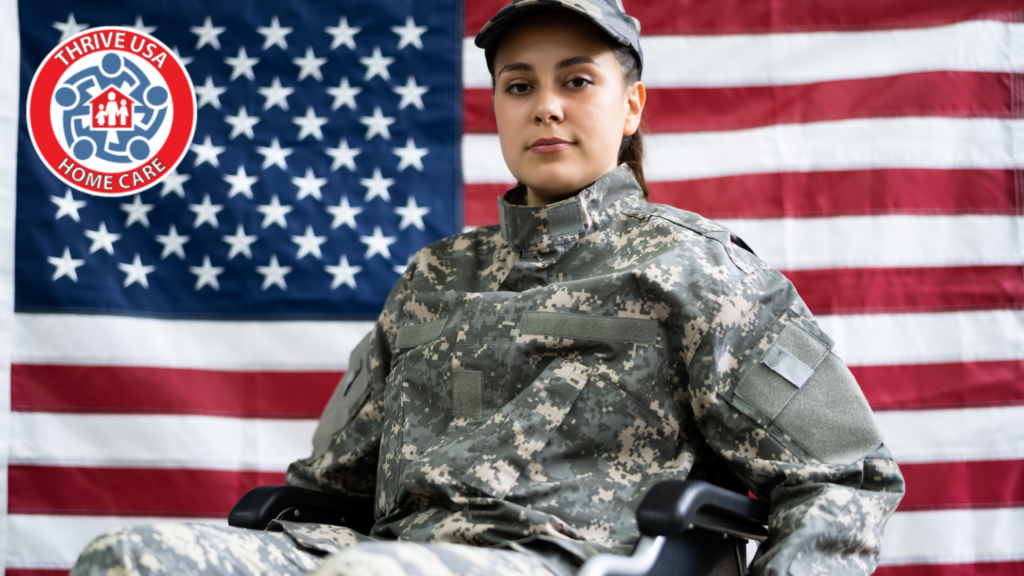
Home care for Veterans under 65 can provide important support for those living with injuries, health conditions, mobility challenges, or other needs that make daily activities harder.
Home care is often associated with older adults, but Veterans do not need to be seniors to benefit from support at home. The Department of Veterans Affairs offers several home and community-based services for Veterans of different ages who meet program requirements.
For younger Veterans, the right support can help preserve independence, maintain routines, and make everyday life more manageable.
Can Veterans Under 65 Receive Home Care?
Yes.
Age alone does not determine whether a Veteran can receive VA-supported home care.
The VA’s Homemaker and Home Health Aide Care program can serve Veterans of any age who need help with daily activities.
The VA also offers Veteran-Directed Care for eligible Veterans who want more control over certain home and community-based services.
Therefore, Veterans under 65 should not assume that home care is only available to seniors.
Why Might a Younger Veteran Need Home Care?
A Veteran may need support at home for many reasons.
These can include:
- Mobility limitations
- Chronic pain
- Recovery after surgery
- Neurological conditions
- Difficulty with bathing or dressing
- Fatigue
- Reduced strength or endurance
- Transportation challenges
- Meal preparation needs
- A family caregiver who needs additional help
Home care can address these practical needs without taking away the Veteran’s independence.
Thrive USA’s Personal Care services can help with bathing, grooming, mobility, feeding, toileting, and other everyday activities.
What Kind of Support Can VA Home Care Provide?
The exact services depend on the Veteran’s needs and the program involved.
Support may include help with:
- Bathing
- Dressing
- Grooming
- Eating
- Toileting
- Mobility
- Grocery shopping
- Meal preparation
- Other daily activities
The goal is often to help the Veteran remain safely at home while receiving the assistance they need.
In addition, some Veterans may qualify for respite care, skilled home health services, remote monitoring, or other VA-supported services.
Homemaker and Home Health Aide Care
The VA’s Homemaker and Home Health Aide program can support Veterans who need help with personal care and daily routines.
A trained aide may assist with everyday tasks while working under the supervision of a registered nurse.
This type of care can be especially useful for younger Veterans who remain independent in many areas but need help with specific activities.
For example, a Veteran may be able to work, attend school, or remain active in the community while still needing assistance with bathing, meals, or mobility at home.
Veteran-Directed Care Can Offer More Choice
Veteran-Directed Care, often called VDC, gives eligible Veterans greater control over certain home and community-based services.
Participants receive an approved service budget based on assessed needs.
Then, with support from a counselor, the Veteran or their representative develops a spending plan and hires workers to provide approved support.
In some cases, this may include a family member or neighbor.
Thrive USA also has a full guide explaining how Veteran-Directed Care works.
Do Veterans Under 65 Need a 100% Disability Rating?
Not necessarily.
There is no single VA disability-rating requirement that applies to every home care program.
For several services, the VA focuses more on clinical need, enrollment, community care eligibility, and local availability.
However, some VA programs do have specific disability-rating requirements.
For example, the Program of Comprehensive Assistance for Family Caregivers currently requires a service-connected disability rating of at least 70%, along with other criteria.
For a deeper explanation, read our guide to VA home care eligibility and disability ratings.
Home Care Can Support Independence
Some younger Veterans may hesitate to consider home care because they associate it with aging or loss of independence.
In reality, the goal can be the opposite.
The right support may help a Veteran conserve energy, reduce safety risks, and stay focused on work, family, rehabilitation, education, or personal goals.
For example, assistance with meals, bathing, errands, or transportation can reduce the burden of tasks that have become difficult.
As a result, the Veteran may have more time and energy for the parts of life that matter most.
What About Companion Care?
Not every Veteran needs hands-on personal care.
Some may benefit more from companionship, transportation, errands, reminders, or help around the home.
Thrive USA’s Companion Care services may include conversation, meal preparation, grocery shopping, transportation, light housekeeping, and medication reminders.
This type of support can help Veterans maintain routines while remaining active and independent.
What If a Family Caregiver Needs Help?
Family members often provide a large amount of support at home.
However, caregiving can become demanding over time.
Respite care can give a family caregiver time to rest, attend appointments, work, or manage other responsibilities.
Thrive USA offers Caregiver Respite services for families who need temporary support.
Veteran caregivers may also qualify for VA resources through the VA Caregiver Support Program.
How Do Veterans Find Out What They Qualify For?
A VA social worker or health care team is usually the best place to start.
Veterans can ask:
- What home care programs are available in my area?
- Do I meet the clinical requirements?
- Am I eligible for Community Care?
- Is Homemaker and Home Health Aide Care available to me?
- Is Veteran-Directed Care available locally?
- What services match my needs?
- Does my disability rating affect my eligibility or copay?
Veterans can also review VA health care eligibility for additional information.
How Thrive USA Supports Veterans Under 65
Home care should not be viewed as something reserved only for older adults.
Veterans of different ages may need help with personal care, mobility, transportation, companionship, or daily routines.
Thrive USA Home Care provides home care services designed to support safety, independence, and quality of life at home.
Our services include personal care, companion care, caregiver respite, transportation assistance, and other individualized support.
Veterans and families can also explore our Veteran Resources to learn more about VA programs and benefits.
The right support depends on the Veteran’s needs, not their age.
Frequently Asked Questions
Yes. Several VA home and community-based services can serve Veterans of different ages when they meet program requirements.
No. Programs such as Homemaker and Home Health Aide Care and Veteran-Directed Care can serve eligible Veterans under 65.
Depending on the program and the Veteran’s needs, support may include bathing, dressing, grooming, mobility, meals, transportation, grocery shopping, and other daily activities.
Not for every program. Eligibility varies depending on the service, clinical need, VA enrollment, community care eligibility, and other requirements.
A VA social worker or health care team can help review available home and community-based services and determine which options may fit the Veteran’s needs.