



Posts Tagged ‘older adults’
Setting Achievable Goals for Seniors in 2024

As we start the new year of 2024, elderly individuals need to set achievable goals that will help them stay active, engaged, and purposeful. With proper goal-setting, seniors can continue finding meaning and enjoyment. Here are some tips for setting realistic, attainable goals for older adults this year. Start Small When setting goals, it’s best to begin with small, manageable objectives. As we age, our energy levels and capabilities change, so we need to set our sights on what is truly feasible. For example, a goal could be to walk for 10 minutes a day or do 5 minutes of…
Common Mobility Aids for Seniors Aging in Place

Mobility aids are devices that help people with mobility impairments to move around more easily and safely. They include a wide range of products, such as canes, walkers, wheelchairs, and mobility scooters. For seniors who want to age in place, mobility aids can make a significant difference in their quality of life by allowing them to stay independent, stay active, and move around their homes and communities with greater ease. One of the main benefits of mobility aids is that they help seniors maintain their independence by reducing their reliance on caregivers or family members for assistance with everyday tasks….
What is Music Therapy and 5 Ways it Benefits Seniors

You don’t have to be a professional musician to experience the pleasure of hearing your favorite song. Music has the power to transport us back in time, evoking memories and feelings from our past. Hearing a song you enjoy can provide comfort and cheer during difficult times and turn a bad mood around almost instantaneously. The majority of adults aged 65 to 85 are known to have at least one chronic ailment, such as heart disease, diabetes, cancer, or arthritis. A number of age-related changes in physical, mental, and emotional well-being can occur in the aging population. This is why…
5 Benefits Seniors Can Gain from Doing Yoga

A regular exercise plan can help you keep your independence and improve your quality of life. Many older folks, however, struggle to find a safe, low-impact activity that is appropriate…
Celebrate Social Wellness Month- 7 Tips for Social Wellness
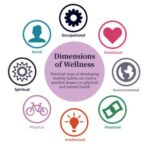
Living through a global pandemic for a couple of years taught us to never take the little but incredibly important things in life for granted: shared laughter, hugging our loved ones, and a lunch date at our favorite restaurant. We saw just how important socializing is, and how lonely and empty we can feel when it is taken away. July is Social Wellness Month, and with immunizations reducing our need to isolate ourselves, it’s the ideal time to ensure that seniors have appropriate interaction experiences. Social Wellness Month Social wellness has been shown to improve the quality of life for…
6 Tips for Helping Older Adults Overcome Challenges to Eating Healthy

As people grow older, their tastes change, which typically leads to a decrease in appetite. Other variables linked with the aging process may also make it difficult for seniors to satisfy their nutritional needs, thus increasing their risk of developing nutritional deficiencies and weakness. Fortunately, the following suggestions may help your senior loved one in overcoming the challenges of eating well. Eat Smaller Meals Instead of serving three large meals a day, provide smaller, more frequent meals to ensure your loved one does not become too full and disinterested in eating the subsequent meal. Make sure the smaller meals are…
5 Cognition-Enhancing Activities for Stroke Recovery

Strokes can affect sensory, motor, and cognitive impairment in older adults. These problems, if left untreated, may impair one’s ability to think, communicate, move, and perform other daily tasks.
June is World Elder Abuse Month

In the United States, elder abuse is a hidden and rising issue. Experts estimate that 10% of older adults are victims of elder abuse, yet only a small percentage of cases are ever reported.
Facts About ALS Support & In-Home Care

ALS (Amyotrophic Lateral Sclerosis), often known as “Lou Gehrig’s Disease,” is a neuromuscular disease that starts with muscle weakening and progresses to full paralysis throughout the body. Lou Gehrig’s disease is another name for ALS, which is not to be confused with Motor Neuron Disease (MND). The muscles that control eating, swallowing, and speaking degenerate as a result of this condition. It gradually weakens the muscles that control your arms and legs, as well as the muscles that keep your body upright. Finally, it impairs the muscles that allow you to breathe on your own to the point where mechanical…
5 Steps To Finding Trust Worthy In-Home Care

Finding a trustworthy home health aide can be challenging and expensive. However, with the proper assistance, it is well worth every penny invested to guarantee that your loved one receives the best care possible – every day. Many seniors remain in assisted living communities, while others live on their own in their homes. Aging and sickness can cause people to become more reliant on others. If in-home nursing is something you’re interested in, you’ll need to find a provider you can depend on. This will undoubtedly require time and effort. However, it will be well worth it when you have…